10 Common Google Ads Mistakes That Are Draining Your Budget

10 Common Google Ads Mistakes That Are Draining Your Budget – Black Cat Marketing Solutions

Google Ads can be one of the most powerful lead generation platforms available to small and medium sized businesses. When managed correctly, it delivers targeted traffic, measurable return on investment and predictable growth.

When managed poorly, it quietly drains your marketing budget.

As a Google Ads consultant working with SMEs across Lancashire and the North West, I regularly review accounts where businesses are spending significant monthly budgets without clarity on performance, profitability or lead quality.

The reality is that most wasted spend is not caused by complex algorithm updates. It is caused by simple structural mistakes.

Here are the ten most common Google Ads mistakes I see, and how to fix them.

1. No Proper Conversion Tracking

If you are not tracking conversions correctly inside Google Ads and Google Analytics 4, you are guessing.

Clicks do not equal enquiries. Traffic does not equal revenue.

Without accurate tracking of form submissions, phone calls and key actions, you cannot calculate cost per lead or cost per sale. I often audit accounts that are optimising for page views instead of real enquiries.

A professionally structured account ensures:

  • Clear tracking setup
  • Call tracking integration
  • CRM integration
    Revenue attribution

Without this foundation, optimisation is impossible.

2. Overuse of Broad Match Keywords

Broad match keywords can be powerful, but unmanaged they waste budget quickly.

If you bid on commercial refrigeration repair, Google may show your ad for how to repair fridge at home.

That is not a buyer.

A strategic approach uses:

  • Exact match for high intent searches
  • Phrase match for controlled reach
  • Regular review of search term reports
  • Ongoing negative keyword additions

If search terms are not reviewed weekly, irrelevant clicks accumulate.

3. No Negative Keyword Strategy

Negative keywords prevent your ads from showing for irrelevant searches such as jobs, free, DIY or areas you do not serve.

This is one of the simplest performance improvements available.

Many accounts either have no negative list or have not updated it in months.

Budget leakage often happens quietly through this oversight.

4. Sending Paid Traffic to a Generic Homepage

Paid traffic should land on a focused, conversion driven page that matches the user intent.

When someone searches for a specific service and lands on a cluttered homepage, friction increases and conversions decrease.

High performing campaigns use landing pages that:

  • Match the keyword intent
  • Reinforce the advert message
  • Remove distractions
  • Provide a clear call to action
  • Load quickly on mobile

Google rewards relevant landing pages with higher Quality Scores and lower cost per click.

5. Poor Campaign Structure

Account structure matters more than most businesses realise.

Common issues include:

  • Too many services in one campaign
  • Too many keywords in one ad group
  • No separation between brand and non brand
  • No geographic segmentation

This results in generic ad copy and low relevance.

A clean structure improves click through rate, increases Quality Score and reduces cost.

6. Ignoring Quality Score

Quality Score directly impacts how much you pay per click.

It is influenced by ad relevance, expected click through rate and landing page experience.

If your Quality Score is low, you pay more than competitors for the same traffic.

Improving relevance is often more cost effective than increasing budget.

7. No Integration with CRM or Sales Process

Google Ads should not operate in isolation.

If leads are not:

  • Entered into a CRM
  • Followed up quickly
  • Measured against revenue
  • Categorised by quality

Then you are optimising based on incomplete data.

As part of a wider marketing system, paid ads should connect directly to sales tracking and reporting. This is where many agencies fall short.

8. Poor Use of Automated Bidding

Automated bidding strategies require clean data and realistic targets.

If there is not enough conversion data, automation cannot optimise effectively.

Many businesses switch on automated bidding and assume performance will improve automatically.

Strategy still matters.

9. No Ongoing Testing

High performing accounts continuously test:

  • Headlines
  • Descriptions
  • Calls to action
  • Landing page messaging
  • Device performance

If adverts have not changed in months, performance is likely stagnating.

Testing drives incremental improvements that compound over time.

10. Focusing on Clicks Instead of Profit

The most important metric is not impressions or click through rate.

It is cost per enquiry, cost per sale and return on ad spend.

More traffic does not equal more profit.

Campaigns must be aligned with commercial objectives, not vanity metrics.

Why Integration Matters

Google Ads performs best when connected with:

  • Search engine optimisation
  • Website conversion optimisation
  • Email follow up
  • CRM automation
  • Clear sales processes

When these elements work together, cost per lead reduces and lead quality improves.

When they are disconnected, businesses assume Google Ads does not work.

In reality, the system is incomplete.

How Black Cat Marketing Solutions Delivers Better Results

At Black Cat Marketing Solutions, campaigns are built around:

  • Clear commercial goals
  • Structured keyword segmentation
  • Conversion focused landing pages
  • CRM integration
  • Transparent reporting
  • Ongoing optimisation

Rather than simply running adverts, we build an integrated system that turns traffic into revenue.

Often, improvements do not require a larger budget. They require better strategy and tighter integration.

If you are unsure whether your Google Ads account is structured correctly, an independent review can quickly highlight opportunities for improvement.
How SMEs Can Reduce Conversion Time With Sales-Led Marketing Funnels

How SMEs Can Reduce Conversion Time With Sales-Led Marketing Funnels

Last month I spoke about the changing nature of SEO, this month I would like to focus on another, oft ignored aspect of Marketing. The marketing and sales funnel. Yes, I believe that marketing and sales need to work together and often the responsibilities overlap.

February may be the shortest month of the year, but it highlights a challenge SMEs face all year round: how to convert interest into revenue faster. With fewer working days, limited budgets and increasing competition, businesses can’t afford slow, disconnected marketing efforts. What’s needed instead is a dedicated, optimised marketing funnel that actively supports sales, powered by AI and integrated across channels.

I am a bit of a geek and love a good funnel, and this has enabled me to help numerous SMEs reduce time-to-conversion by aligning marketing activity directly with sales outcomes, ensuring that every enquiry is nurtured, tracked and progressed efficiently.

From Leads to Revenue: Why Speed Matters

Generating leads is only half the battle. Too often, SMEs invest in marketing that drives traffic but fails to move prospects toward a sale quickly enough. Leads go cold, follow-ups are delayed, and opportunities are missed.

A well-designed funnel removes friction by:

  • Delivering the right message at the right time
  • Supporting sales teams with better-qualified leads and content to b e used in conversations.
  • Reducing manual chasing through automation
  • Giving full visibility of where each prospect sits in the journey

The result is shorter sales cycles, higher close rates and better ROI from marketing spend.

  1. Designing a Funnel That Sales and Marketing Share

An effective funnel isn’t owned by marketing alone. It’s a shared system where marketing attracts and nurtures demand, while sales converts.

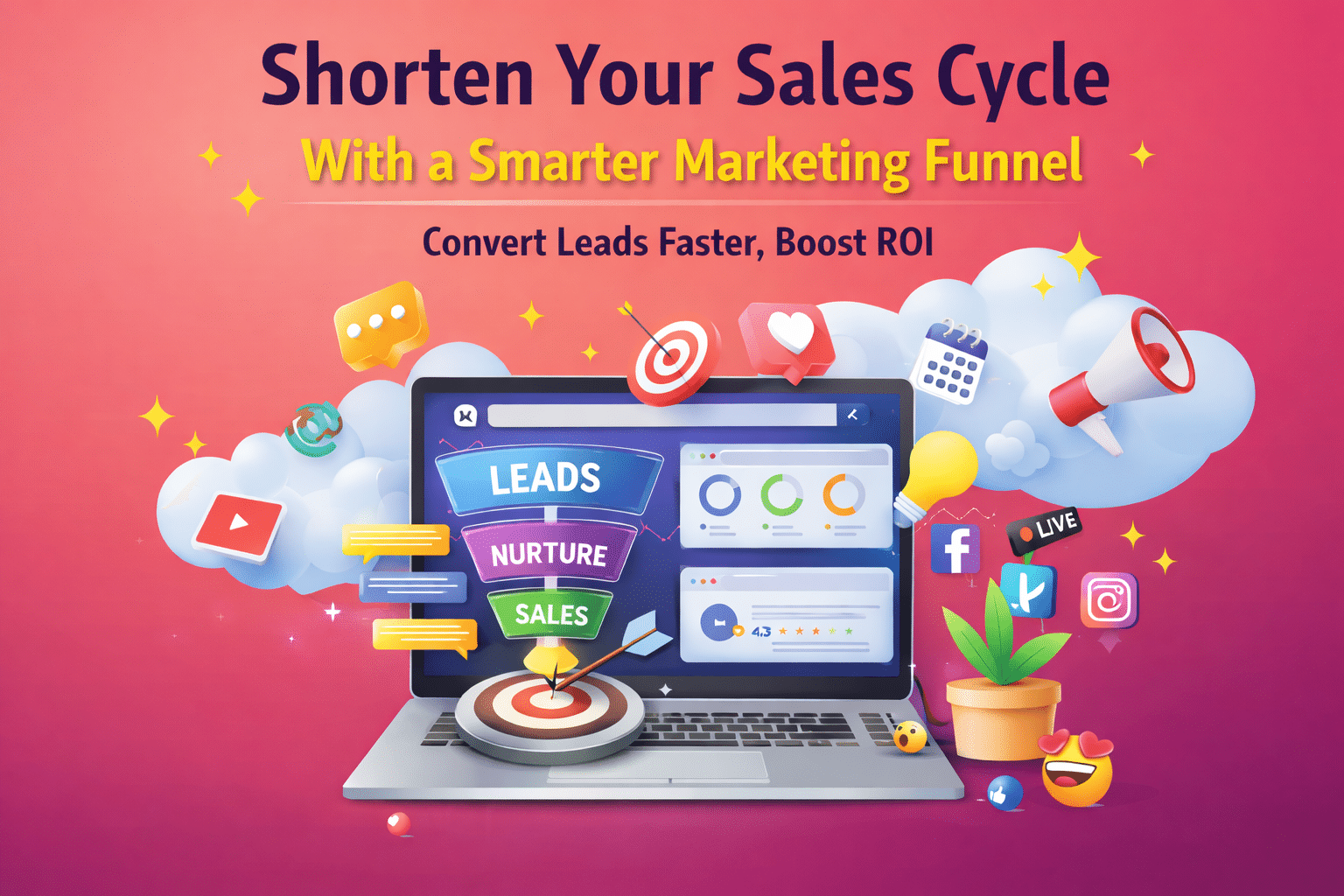
A typical high-performing funnel includes:

  • Awareness: SEO, paid ads and content attract prospects actively searching for solutions.
  • Engagement: Landing pages, lead magnets and email campaigns qualify intent and capture data.
  • Nurture: Automated email sequences, remarketing and CRM workflows warm leads based on behaviour.
  • Conversion: Clear CTAs, fast follow-ups and sales outreach turn interest into action.
  • Post-sale: Ongoing communication supports retention, upsell and referrals.

When both teams work from the same funnel and data, prospects move forward faster, without duplication or drop-off.

  1. Using AI to Prioritise and Accelerate Sales Activity

AI can now play a crucial role in shortening conversion times by helping SMEs focus effort where it matters most.

Used correctly, AI can:

  • Score and prioritise leads based on engagement and intent
  • Trigger automated follow-ups when prospects show buying signals
  • Personalise messaging across email and ads
  • Identify where prospects are stalling in the funnel

Instead of sales chasing every enquiry equally, AI and a well-built CRM with segmentation can highlight which leads are sales-ready now, allowing faster, more confident and focused conversations to occur.

  1. Integrated Channels Create Momentum

Speed comes from consistency. When marketing channels operate in silos, prospects receive mixed messages or lose interest altogether. Integrated marketing ensures that every touchpoint reinforces the sales journey.

Key integrations include:

  • Website + CRM for instant lead capture and tracking
  • Email automation aligned with sales stages
  • Paid ads and remarketing that reflect real user behaviour
  • Reporting dashboards shared between sales and marketing

This joined-up approach keeps prospects engaged and informed, reducing hesitation and decision time.

  1. Real-Time Measurement That Improves Results

To keep conversions moving, SMEs must measure what matters, not just clicks and impressions, but pipeline impact.

Important metrics include:

  • Lead-to-opportunity conversion rate
  • Time from enquiry to first sales contact
  • Sales cycle length
  • Cost per lead vs cost per sale
  • Funnel drop-off points

With clear reporting and regular optimisation, small improvements quickly turn into significant revenue gains.

My Final Thought

While February reminds us that time is limited, the reality is that every month benefits from faster, smarter conversion paths. By building a sales-aligned marketing funnel, supported by AI and integrated channels, SMEs can reduce wasted effort, close deals sooner and maximise return from every lead.

If your marketing isn’t actively helping sales close more business, it’s time to rethink the funnel. Here, at Black Cat Marketing Solutions, we specialise in building practical, revenue-focused funnels that help SMEs turn interest into income, faster.

The above does not need to be costly, you do not need to implement HubSpot or Salesforce as other free CRM systems are available. As mentioned, just a few improvements to your marketing and sales process can have significant revenue impact.

Feel free to get in touch to talk about how we can help you improve your conversion time and generate more revenue.

How SEO is changing in 2026

The 5 biggest SEO changes for SMEs in 2026

1) “Zero-click” search is accelerating (AI Overviews + AI Mode)

Google is increasingly answering questions directly in the search results using AI (AI Overviews / AI Mode). This can reduce clicks to websites for informational searches, even if you “rank #1”. Google has published guidance for site owners specifically about AI features and how content may be used in these experiences, and publishers are publicly reporting major traffic concerns as AI summaries expand.

What this means for SMEs:
If your content is only “top of funnel” (generic advice articles), you may see fewer visits. The win is to pivot towards content that drives enquiries even if fewer people click.

What to do (practical SME steps):

  • Build more service-led pages that target buying intent (e.g., “boiler repair Preston prices”, “accountant for contractors Lancashire”).

  • Add clear next steps: call, quote form, availability checker, brochure download.

  • Publish proof pages AI can summarise confidently: case studies, pricing ranges, FAQs, “process” pages, reviews/testimonials.


2) Core updates keep rewarding “genuinely helpful” content (not SEO fluff)

Google’s core updates are ongoing and frequent, including a December 2025 core update (rolled out 11–29 Dec 2025). Google’s own guidance on core updates focuses on producing content that’s relevant, satisfying, and helpful for searchers.

What this means for SMEs:
“Thin” pages, copy-and-paste location pages, or blog posts written purely to rank are more likely to underperform. Meanwhile, sites that clearly explain services, show expertise, and help customers make decisions tend to do better over time.

What to do:

  • Upgrade key pages (home + core services) with: who it’s for, outcomes, process, pricing guidance, FAQs, proof.

  • Replace generic blogs with real customer questions (the stuff you answer on the phone every week).

  • Add author/company credibility: about page, qualifications, accreditations, local presence, and real examples.


3) Google is harder on “shortcut SEO” (site reputation abuse + spam enforcement)

Google has tightened and clarified its site reputation abuse policy (often discussed as “parasite SEO”), publishing third-party content on a site to exploit its ranking signals is explicitly called out as a policy violation.

What this means for SMEs:
If an agency is offering suspicious “quick wins” (mass pages, borrowed domains, weird subdomains, paid placements that look like content), the risk is higher than it used to be.

What to do:

  • Avoid “rent-a-domain authority” tactics or publishing content that isn’t genuinely part of your business.

  • Keep your SEO clean: real content, transparent partnerships, honest reviews/testimonials.

  • If you’ve used aggressive tactics before, consider a risk audit to identify what could hurt you later.


4) Technical SEO matters more because it affects how Google understands you (structured data + eligibility)

Structured data (Schema) isn’t “magic rankings”, but it helps Google interpret your pages and can unlock rich results, Google provides general structured data guidelines and testing tools, plus feature-specific docs.

What this means for SMEs:
Clear structure = clearer understanding. That helps with rich results, trust signals, and increasingly with AI-driven search experiences where Google needs confidence in what you offer.

What to do:

  • Implement basics properly: Organisation/LocalBusinessServiceFAQ (where relevant), Review (only if compliant), Breadcrumbs.

  • Ensure each core service has its own focused page (not one mega-page trying to rank for everything).

  • Regularly run checks using Rich Results testing + Search Console.


5) UX signals are now “table stakes” (Core Web Vitals: INP is the key responsiveness metric)

Google replaced FID with INP as a Core Web Vital (this change took effect in March 2024, and it’s now the standard). If your site feels slow, this affects conversions and can hold back organic performance, especially in competitive local markets.

What this means for SMEs:
Most SMEs don’t lose leads because of “keywords”, they lose leads because the site is slow, clunky on mobile, or hard to enquire.

What to do:

  • Speed basics: compress images, reduce heavy plugins, clean up page builders, caching/CDN.

  • Mobile-first UX: click-to-call, sticky CTA, short forms, fast-loading service pages.

  • Fix the high-impact stuff first (homepage + top 3 service pages).


The underlying theme for 2026: visibility is changing, but leads still win

SEO in 2026 is less about “gaming Google” and more about building a site that:

  • is easy for Google to understand, and

  • makes it easy for customers to choose you.

That’s exactly where many SMEs want a hand, because you’re busy running the business.


Where Black Cat Marketing Solutions can help

If you want, Black Cat Marketing Solutions can run a practical SME-focused SEO check that looks at:

  • where you’re losing clicks/leads (even if rankings look “okay”),

  • which pages to improve first for enquiries, and

  • a simple 30/60/90 day action plan (content, technical, local SEO, and conversion fixes).

youth safety matters powered by Black Cat Marketing Solutions

How Black Cat Marketing Solutions Brought Youth Safety Matters to Life

In a world where digital platforms often shape how we engage with critical issues, Youth Safety Matters (youthsafetymatters.co.uk) shines as a timely, powerful resource for schools, parents, and organisations. This essential hub offers guidance, insights, and tools, everything from safeguarding protocols to mental health support, to help educators and communities keep young people safe. But none of this impact could exist without the steady, creative hand of Black Cat Marketing Solutions, whose website development and marketing excellence truly made a difference.

From Vision to Reality, Website Development

When Youth Safety Matters approached Black Cat Marketing Solutions, they had a compelling mission, but needed a site that matched it. Over brief discussions and collaborative strategy sessions, Black Cat crafted a responsive, visually engaging platform that aligns with the brand’s core values, clarity, inclusivity, and usability.

Key improvements included:

  • A clean, accessible layout, allowing educators and parents to swiftly find the resources they need.

  • Strong mobile responsiveness, ensuring the site performs across devices, especially helpful for busy school staff on the go.

  • A clear information hierarchy, with intuitive menus, calls to action, and a streamlined user experience.

  • Built on a flexible CMS, empowering Youth Safety Matters to update content regularly, which is crucial in a field where guidelines and best practices evolve fast.

The result? A professional, modern, and user-focused digital hub that mirrors the organization’s purpose-driven ethos.

Amplifying Impact, Marketing the New Resource

Launching a site is just the beginning. Black Cat Marketing Solutions supercharged Youth Safety Matters with targeted marketing strategies, including:

  • Email campaigns designed to engage school stakeholders and community partners.

  • Partnership outreach, tapping into regional education networks and community groups to drive traffic and co-promote vital content.

Through consistent messaging and strategic promotion, Black Cat turned a promising digital platform into a potent real-world outreach tool, connective, educational, and truly impactful.

A Word from the Community

“Partnering with Black Cat Marketing Solutions has been a game-changer. They not only developed a sleek, user-friendly site that perfectly reflects our mission, but also helped us launch it with reach and resonance. School leaders, parent groups, and educators are already discovering exactly what Youth Safety Matters stands for thanks to their smart, targeted marketing. Their commitment, creativity, and integrity set them apart at every stage.”

Why It Matters

Youth Safety Matters is more than a website, it’s a digital lifeline for young people’s wellbeing. With Black Cat’s technical and marketing expertise, it’s no longer just a vision, it’s a vivid, accessible, and trusted resource in schools and communities across the UK.

Whether you’re aiming to boost reader engagement, elevate your brand’s trustworthiness, or deliver mission-critical content effectively, this collaboration stands as a prime example of what happens when creative vision meets marketing strategy.


Book A Free Consultation Here

How Black Cat Marketing Powered the Wythenshawe Knife Crime Matters Campaign

How Black Cat Marketing Powered the Wythenshawe Knife Crime Awareness Campaign

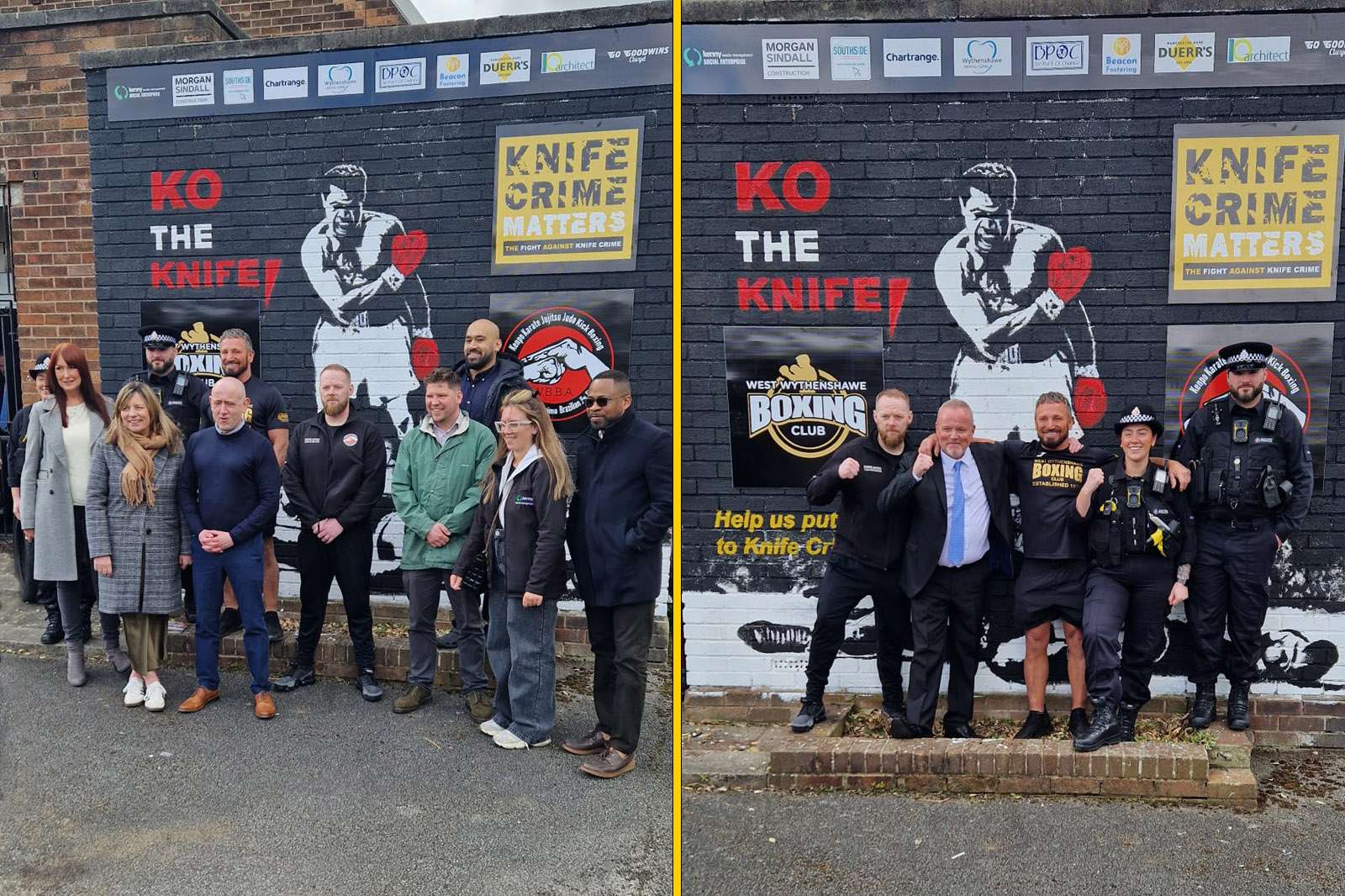
In March 2025, Knife Crime Matters, together with Wythenshawe Black Belt Academy and West Wythenshawe Boxing Club, launched an integrated knife‑crime awareness initiative in South Manchester. The unveiling of a bold mural at West Wythenshawe Boxing Club on 28 March 2025 marked the campaign’s high‑profile launch. Alongside this visual statement, educational resources were distributed to all local secondary schools to reach young people with a clear message: knife crime is preventable and education is key.

Black Cat Marketing: Lead & Strategist

As the lead agency on this effort, Black Cat Marketing delivered strategic direction and hands‑on execution across all facets of the campaign:

  • Email Marketing Excellence: Black Cat crafted polished, emotionally resonant email campaigns aimed at schools, community leaders, sponsors and local press. These emails achieved high open and engagement rates, and effectively communicated the mural’s significance and educational rollout.

  • Collaboration with External Sales and Stakeholders: We worked closely with external sales partners to ensure messaging was aligned across media, press outreach and sponsor engagement. This multi-channel coordination ensured broad visibility and maximised campaign impact.

  • Spotting Strategic Opportunities: A standout moment was identifying and securing involvement from local MP Mike Kane. Originally scheduled to unveil the mural, his participation lent political support and drew further attention from the community and media—even when replaced at short notice by Councillor Dave Marsh due to his unavoidable ministerial duties.

Campaign Impact
Thanks to Black Cat’s leadership, the Campaign succeeded in:

  • Garnering strong support from local businesses (Morgan Sindall, Beacon Fostering, Wythenshawe Dental Clinic among others) whose sponsorship made the campaign viable.

  • Delivering educational toolkits into every secondary school, equipping young people with important knowledge about the risks of knife and gang‑related crime.

  • Creating a visible community landmark with the mural—a powerful artistic anchor that brought attention and served as a lasting visual reminder.

Why It Worked
Black Cat Marketing’s approach aligned directly with proven best practices for effective knife-crime awareness campaigns:

  • Harnessing localised, community‑specific messaging (the mural, the real voices in schools), rather than generic fear‑based tactics or one‑size‑fits‑all outreach.

  • Integrating email, media outreach, stakeholder collaboration, and educational delivery into a coherent, multi‑channel campaign.

Looking Ahead
With this campaign now live in Wythenshawe, Knife Crime Matters aims to replicate the model across South Manchester and beyond, combining visual impact, local engagement, and educational outreach. Black Cat Marketing stands ready to lead future launches by bringing the same creativity, coordination, and strategic vision which made this campaign such a success.

Why Hiring an External Marketing Professional Is More Cost-Effective Than Hiring In-House

Why Hiring an External Marketing Professional Is More Cost-Effective Than Hiring In-House

With so many additional costs and legislative pitfalls many small to medium-sized businesses face a common dilemma when it comes to their marketing: Should we hire a full-time in-house marketer or outsource the role to a professional? Let’s look at the numbers.

The True Cost of Hiring In-House

At first glance, a £35,000 annual salary for a marketing professional may seem reasonable. But the real cost to your business goes far beyond this headline figure. Let’s break it down:

  • Gross Salary: £35,000

  • Employer Pension Contributions (minimum 3%): £1,050

  • National Insurance Contributions (approx.): £4,499

  • Total Annual Cost to the Employer: £40,549

And that’s just the mandatory expenses. When you account for:

  • Recruitment fees

  • Training and onboarding time

  • Holiday and sick pay

  • Equipment and software licenses

  • Office space and utilities (if applicable)

  • Employee perks or bonuses

…the figure increases significantly.

The Flexibility and Savings of External Professionals

Compare that to hiring an experienced external marketing consultant or freelancer. Here’s what you get:

  • No overhead costs – You only pay for the work delivered.

  • Scalable support – You can ramp up or down based on your needs and budget.

  • Expertise on demand – Get high-level strategic input without the high-level salary.

  • No long-term commitments – Ideal if your needs fluctuate or you’re still testing the waters with marketing.

For example, working with an external marketing professional at a rate of £1,500 per month would total just £18,000 annually—less than half the cost of an in-house hire. Even if you spent £2,000 a month, that’s still just £24,000 a year, representing a saving of over £16,000 when compared to the £40,549 annual cost of an employee.

Quality Over Quantity

Outsourcing also means tapping into a pool of professionals who live and breathe marketing. They stay up-to-date on industry trends, tools, and tactics—and you don’t have to pay for them to learn. In many cases, an external consultant can deliver better results in fewer hours than a full-time employee still gaining experience.

Final Thoughts

When budgets are tight and results matter, outsourcing your marketing isn’t just a practical choice—it’s a smart one. By avoiding the hidden costs of full-time employment, you gain flexibility, expert support, and a better return on your investment.

If you’re considering marketing support but not sure where to start, let’s have a conversation. You might find that outsourcing is the key to moving your business forward—without the hefty price tag.

why should small business owners use a marketing consultant

Why Every SME Should Consider Using a Marketing Consultant

Running a small or medium-sized business means wearing a lot of hats—sales, operations, HR, finance, and of course, marketing. But when growth starts to plateau or you’re simply too busy to give marketing the attention it deserves, bringing in a marketing consultant can make a world of difference.

Here’s why:

1. Expertise Without the Full-Time Cost

Hiring a marketing consultant gives you access to a seasoned expert—without the overhead of a full-time hire. You get big-agency thinking at a fraction of the cost.

2. Fresh Perspective

When you’re deep in the day-to-day, it’s easy to miss opportunities. A consultant brings fresh eyes, new ideas, and an outside view of your brand and audience.

3. Tailored Strategies, Not Guesswork

Marketing consultants don’t rely on guesswork—they build strategies around your goals, market, and budget. Whether it’s improving your digital presence, refining your messaging, or setting up campaigns, it’s all designed to get results.

4. Time-Saving

Let’s be honest: you don’t have time to be everywhere at once. A consultant can handle or guide your marketing efforts, so you can focus on what you do best—running your business.

5. Accountability and Focus

A consultant keeps your marketing on track, measures performance, and helps you stay consistent with your messaging and strategy. No more stop-start marketing when things get busy.

Thinking about the next phase of growth for your business? A chat with a local marketing consultant might be the smartest move you make this year.


Let’s talk—no jargon, no pressure, just a conversation about where you want to go and how to get there.

demo-attachment-2228-Mask-Group-42@2x-min

Introduction to SEO and Why SMEs Should Focus on It.

In today’s digital world, having a strong online presence is no longer optional—it’s essential. Search Engine Optimisation (SEO) is one of the most effective ways for small and medium-sized enterprises (SMEs) to improve their visibility, attract potential customers, and compete with larger businesses. By investing in SEO, SMEs can significantly enhance their digital footprint, drive organic traffic to their websites, and ultimately increase sales and growth.

Understanding SEO: The Basics

SEO is the practice of optimising a website to rank higher in search engine results pages (SERPs). When potential customers search for products or services related to your business, you want your website to appear at the top of those search results. This is achieved through various strategies, including keyword research, content creation, link building, and technical optimisation.

Search engines like Google use complex algorithms to determine which websites should appear first based on relevance, authority, and user experience. By aligning your website with these factors, SEO helps increase your online presence and attract organic (unpaid) traffic.

Why SMEs Should Prioritise SEO

1. Cost-Effective Marketing Strategy

Unlike paid advertising, which requires ongoing investment, SEO provides long-term benefits with relatively low costs. Once your website is optimised and ranks well, you can generate consistent traffic without continually paying for ads. For SMEs with limited marketing budgets, this makes SEO an invaluable tool.

2. Increased Website Traffic and Visibility

A well-executed SEO strategy helps SMEs rank higher in search results, making it easier for potential customers to find them. The higher your website appears in search results, the more likely users are to click on it. Since most users don’t go beyond the first page of Google, achieving a top ranking can significantly increase website visits.

3. Improved User Experience

SEO isn’t just about search engines—it’s also about users. Google prioritises websites that provide a great user experience, such as fast loading times, mobile-friendliness, and easy navigation. By focusing on SEO, SMEs naturally improve their website’s usability, keeping visitors engaged and increasing the chances of conversion.

4. Competitive Advantage Over Larger Businesses

Many SMEs assume they can’t compete with larger corporations in the digital space. However, SEO allows smaller businesses to target niche markets and specific local audiences more effectively. With a strategic SEO approach, SMEs can rank higher for relevant searches and attract customers who are specifically looking for their products or services.

5. Local SEO for Better Regional Presence

For SMEs that rely on local customers, local SEO is crucial. Optimising for location-based searches ensures that your business appears in Google’s Local Pack, Google Maps, and local search results. This is especially beneficial for brick-and-mortar businesses looking to drive foot traffic to their stores.

6. Building Brand Credibility and Trust

Consumers tend to trust businesses that appear at the top of search results. A strong SEO presence enhances credibility, positioning your brand as an authority in your industry. Additionally, factors like positive customer reviews, quality backlinks, and valuable content contribute to a trustworthy online reputation.

7. Higher Conversion Rates

SEO-driven traffic tends to have higher conversion rates than other marketing channels. When users find your website through organic search, they are actively looking for information, products, or services related to their query. By optimising for relevant keywords, SMEs can attract high-intent visitors who are more likely to become customers.

8. Adaptability to Market Changes

The digital landscape is constantly evolving, and SEO helps SMEs stay relevant. By keeping up with algorithm updates, industry trends, and customer search behaviours, businesses can adapt their strategies to maintain and improve their search rankings over time.

Conclusion

SEO is a powerful tool that can significantly impact the growth and success of an SME. By focusing on SEO, businesses can increase visibility, drive organic traffic, enhance user experience, and gain a competitive edge in the digital marketplace. While SEO requires time and effort, the long-term benefits make it a worthwhile investment for any SME looking to scale and succeed online. Prioritising SEO today will ensure sustained growth and online success in the future.

A CRM system can help SME to compete with larger rivals at a scale to suit them

The Importance of Using a CRM Effectively for SME Growth.

In today’s competitive market, small and medium-sized enterprises (SMEs) must operate smarter—not harder. One of the most powerful tools available to achieve this is a Customer Relationship Management (CRM) system. But the key isn’t just having a CRM—it’s about using it effectively and affordably.

As a CRM implementation and management expert, I help SMEs set up and manage systems that improve sales, marketing, and customer retention—often using free or low-cost platforms. Yes, effective CRM doesn’t have to break the bank.


What is a CRM—and Why Should SMEs Care?

A CRM helps you manage customer relationships, automate processes, and gain insights that drive growth. It centralises information, streamlines communication, and improves customer service.

But let’s bust a common myth:

💡 CRMs don’t have to be expensive.
There are many free and budget-friendly CRM options that offer excellent functionality. With the right setup and strategy, even these low-cost tools can drive serious results.

That’s where I come in: I help SMEs choose and configure CRMs that fit their budget and deliver measurable impact.


How a CRM Supercharges SME Marketing

🎯 1. Run Smarter Campaigns

Segment your audience, personalise your offers, and improve ROI. You don’t need expensive enterprise tools to do this—I can show you how to set it up right on a budget-friendly CRM.

✉️ 2. Personalise Communications at Scale

A CRM enables meaningful, timely communication with prospects and customers. I’ll help you build journeys that convert—without costly platforms.

🔁 3. Automate the Repetitive Stuff

From email follow-ups to social scheduling, affordable CRMs have powerful automation built in. I’ll help you set it up to save time and drive conversions.


Increase Sales Efficiency—Without Wasting Resources

🛠️ 1. Organise Your Pipeline

Even free CRMs can give you a full sales dashboard and lead tracking. I help SMEs build clear, efficient processes from the first contact to the final sale.

📊 2. Get Real-Time Insights

Need to know what’s working in your sales funnel? Many low-cost CRMs offer dashboards and reports. I show you how to interpret the data—and what to do next.

🤝 3. Strengthen Customer Relationships

A CRM helps your team keep track of conversations and preferences. I’ll guide you in using those insights to increase retention and repeat sales.


CRM = Scalable Growth (Even on a Small Budget)

📈 Start Small, Scale Smart

Your CRM doesn’t have to be “enterprise-grade” to be effective. Many SMEs see strong results using free versions of major platforms. I help you get the most from what you already have—or find the perfect low-cost solution.

🔁 Retain More Customers

It costs less to retain than to acquire. I show SMEs how to build loyalty and automate retention strategies—using tools you already have access to.

💰 Save Time & Money

Automating admin tasks with a CRM reduces staff workload and error rates. You don’t need to spend big to get these benefits—you just need the right setup.


How I Help SMEs Use CRMs Effectively

Working with me means you get more than just a system—you get a growth strategy. I’ll help you:

  • ✅ Select the right free or low-cost CRM for your needs

  • ✅ Set it up properly for marketing, sales & retention

  • ✅ Train your team for confident daily use

  • ✅ Integrate with tools you’re already using

  • ✅ Continuously improve and optimise performance


Want a CRM That Works Without Wasting Your Budget?

If you’re not sure which CRM to choose—or you’re using one that’s underperforming—I can help.

👉 Let’s talk about how I can help you implement and manage a CRM that delivers results without draining your resources.
Whether you’re just starting or looking to improve your setup, I offer expert support tailored to your business.

📞 Book a free consultation today using the button below to explore the options that fit your goals and your budget.

Final Thought

A CRM system is one of the best investments an SME can make—but it doesn’t have to be an expensive one. With the right help, even free tools can drive growth, improve efficiency, and help you build stronger customer relationships.

Ready to get started? Let’s make your CRM your most powerful (and affordable) business asset.